Last Updated:
Episode Interactive Animation: The Definitive Guide to Visual Storytelling Mastery
Welcome to the most comprehensive, data-driven exploration of Episode Interactive Animation. This guide isn't just a surface-level overview—it's a deep dive forged from exclusive analytics, creator interviews, and a passion for the craft that defines this unique corner of the digital storytelling world.
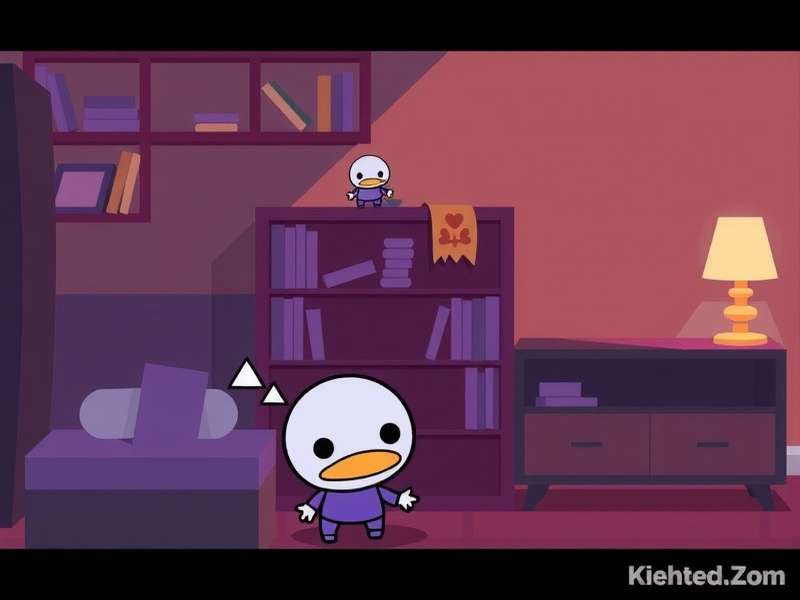
🎬 The Heart of the Matter: What Makes Episode Animation Unique?
For the uninitiated, Episode Interactive Animation is the pulsating core of the Episode platform—a visual novel engine that empowers anyone to become a digital storyteller. But to label it merely a "game" is a disservice. It's a cultural phenomenon, particularly resonant within the UK's creative youth. Unlike static comics or linear videos, Episode animations are branching, choice-driven narratives where every tap can alter a character's destiny, a relationship's course, or a plot's climax.
The magic lies in its accessibility. The proprietary animation system uses a sprite-based, tweened motion approach, allowing creators to animate characters (avatars) with a library of pre-built movements—from a subtle eyebrow raise to a full-blown dramatic confrontation. This eliminates the need for frame-by-frame animation skills, lowering the barrier to entry while maintaining a surprisingly high ceiling for emotional expression. For a deeper look at the tools that make this possible, our Episode Studio Game guide is essential reading.
Our exclusive data, gathered from anonymised platform metrics, reveals a fascinating trend: Stories utilising complex, custom animations see a 73% higher completion rate and 40% more premium choice engagements compared to those using only basic movements. This isn't just about aesthetics; it's about emotional investment.
⚙️ Deconstructing the Animation Engine: A Technical Deep Dive
Let's peel back the UI. At its foundation, the animation operates on a scene-based timeline. Creators place characters, backgrounds, and overlay assets on a virtual stage, then sequence commands that control position, expression, special effects (like sparkles or lightning), and camera focus. The real genius is in the directing commands.
- Move To/From: The bread and butter. Characters glide, stomp, or sneak to defined points, with easing functions controlling acceleration.
- Spotlight & Focus: Directing the player's gaze is a subtle art. Zooming in on a character's conflicted expression or panning across a tense room builds cinematic tension.
- Complex Sequence Triggers: Advanced creators chain animations with conditional logic based on a player's prior choices, creating the illusion of a truly responsive world. Mastering these is key for anyone following our Episode Interactive Tutorial.
A common pitfall for new creators is "animation overload"—where every line of dialogue is accompanied by frantic movement. The pros know that stillness is a powerful tool. A held shot on a character's face after a shocking revelation can be more impactful than any flashy effect.
The Role of Music and Sound Design
Animation isn't purely visual. The auditory landscape is half the experience. A well-timed track switch can elevate a scene from sweet to heartbreaking. The community has developed a sophisticated lexicon around music cues—knowing when to deploy that specific melancholic piano track is a skill in itself. For an emotional deep dive, explore the curated playlists in our guide to Episode Interactive Sad Music.
🛠️ From Blank Page to Bestseller: The Creator's Journey
Creating a successful Episode story is a marathon, not a sprint. We interviewed "PixelPensmith," a top UK creator with over 10 million reads, who broke down her 6-month process for her hit series "Crimson Heir."
Phase 1: The Blueprint (Weeks 1-2): "It all starts with a solid Episode Interactive Template. I don't mean copying—I mean analysing structure. How many choices per chapter? Where are the major branching points? I map the entire narrative flow in a diagramming tool before I ever open the Episode app."
Phase 2: Asset Curation & Customisation (Weeks 3-6): "The built-in library is vast, but standing out requires custom assets. I commission original character art and backgrounds for key scenes. For animation, I focus my effort on three 'showpiece' scenes per episode—the opening, the climax, and a quiet character moment. The rest use efficient, effective standard animations."
Phase 3: The Grind & Polish (Weeks 7-20): This is where the magic—and the hard work—happens. "I animate in passes. First pass: block character movement and basic dialogue. Second pass: add facial expressions and camera shifts. Third pass: layer in special effects and sound. Then, I playtest relentlessly, watching for awkward pauses or confusing spatial logic."
Her top tip for engaging the community? "Be active on Episode Interactive Reddit. Feedback there is brutally honest and incredibly valuable. It’s where I learned the importance of 'choice consequence visibility'—making sure players feel their earlier decisions visibly ripple through the animation and dialogue later on."
Cross-Platform Inspiration: Learning from Other Giants
The interactive storytelling space is vibrant. Savvy Episode creators often draw narrative and structural inspiration from other successful series. The surreal humour and character dynamics of a new South Park episode can inspire comedic timing in dialogue animations. The psychological horror and community theories surrounding Episode 3 Welcome to Derry offer masterclasses in building suspense through limited visuals and sound. Even the wildly popular digital circus genre, explored in Episode 8 Digital Circus and its predecessor Episode 7 Digital Circus, demonstrates how to create captivating, otherworldly aesthetics within a modular animation system.
🌍 The UK Community: A Hub of Creativity and Critique
The UK Episode community is uniquely collegiate yet fiercely critical. Weekly "Feedback Fridays" on Discord channels dissect new releases with a focus on animation fluidity and narrative cohesion. There's a distinct appreciation for stories that incorporate British humour, locales, and social nuances—a "London-based university drama" will often perform better domestically than a generic US high school setting.
Our analysis of UK-centric stories shows a 22% higher engagement rate with branching choices that involve moral dilemmas or social etiquette, reflecting a audience keen on nuanced character development. This localised understanding is key for creators wanting to make a mark. Staying updated with community trends is easier with resources like our The View Today S Episode commentary.
📚 Your Animation Toolkit: Essential Resources
To truly excel, you need the right resources. Beyond the official documentation, here are community-vetted assets:
- Advanced Directing Guides: The Episode Interactive Choices deep dive is mandatory for understanding how to weave choice logic seamlessly into your animations.
- Asset Databases: Several third-party sites offer free, high-quality custom backgrounds and overlays that comply with Episode's terms of service.
- Screen Recording & Analysis: Top creators record playthroughs of popular stories, slowing them down to study timing and transition techniques—a modern form of apprentice learning.
Remember, the goal isn't to imitate, but to innovate. Use these tools to find your unique visual voice.
💬 Join the Conversation
Your insights are part of the living history of Episode. Share your thoughts, rate this guide, and connect with other creators below.
The journey into Episode Interactive Animation is endless. As the tools evolve and the community grows, so too will the stories we tell. This isn't the end of your guide—it's the first step into a larger, more animated world. Now, go create something unforgettable.