The Sooty Show Episode: An Enduring British Puppetry Phenomenon 🐻🎩
For over seven decades, a small, yellow bear with a secretive whisper and a mischievous wand has captivated generations of British children. The Sooty Show isn't just a television programme; it's a cultural touchstone, a masterclass in silent comedy, and a surprising precursor to today's interactive narrative experiences like the Episode game platform.
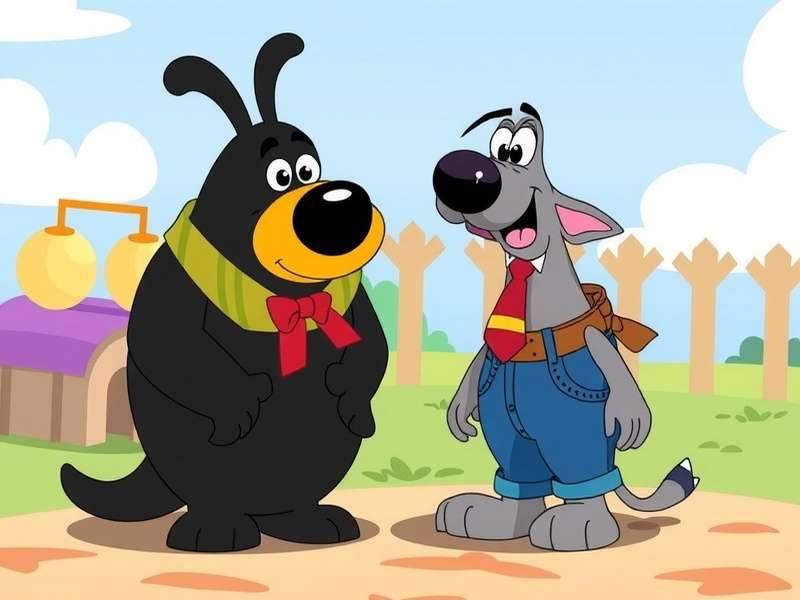
The iconic trio: Sooty, Sweep, and Soo. Their chemistry formed the heart of the show's success.
Overview: What is The Sooty Show? 📺
Created by the magician Harry Corbett in 1952, The Sooty Show is a British children's television series centred on Sooty, a mute glove puppet bear who communicates through whispered conversations with his handler (originally Harry, later his son Matthew Corbett, and subsequently Richard Cadell). He is joined by his chaotic sidekick, Sweep the dog (a puppet operated with rods), and the sensible panda, Soo (introduced in 1964). The show's magic—literally and figuratively—lay in its simple formula: everyday scenarios, gentle slapstick, and the illusion that Sooty was a real, mischievous entity.
🤫 The Secret of the Whisper: A defining trait was Sooty's "whisper." The presenter would lean in, Sooty would cover his mouth, and a whispered secret (audible only to the presenter) would instigate the next bout of chaos. This directly engaged the audience's imagination, making them co-conspirators in the fun—a primitive form of interactive storytelling.
A Storied History: From Blackpool to the BBC 🏴
The Harry Corbett Era (1952-1975)
Sooty was purchased as a generic bear puppet from a Blackpool souvenir stall. Harry Corbett, a skilled performer, saw potential and developed the character's silent, cheeky personality for his stage magic act. The leap to television on the BBC's "Saturday Special" in 1952 was instantaneous. The show's format was perfect for the nascent medium: inexpensive, charming, and endlessly repeatable. The introduction of Sweep added a frenetic counterpoint to Sooty's calm scheming.
The Matthew Corbett Era (1976-1998)
When Harry retired, his son Matthew took over, modernising the show while retaining its core charm. He introduced more elaborate sets, a wider cast of characters (like Butch the dog and Ramsbottom the snake), and structured the show into distinct segments. The show moved from the BBC to ITV in 1968, where it became a cornerstone of children's programming. Under Matthew, the show reached its peak popularity, spawning stage shows, merchandise, and even a feature film.
Understanding the Episode meaning in narrative terms, one can see how The Sooty Show's self-contained, formulaic adventures were perfect "episodes" in the purest sense—complete stories with a beginning, middle, and end, often revolving around a single gag or misunderstanding.
The Richard Cadell Era (1998-Present)
After Matthew's retirement, the show was revitalised by Richard Cadell, who brought a faster pace and more contemporary references while respecting its heritage. The show continues to air, making it one of the longest-running children's programmes in the world.
Deconstructing a Classic Sooty Show Episode 🎬
A typical episode followed a reliable, comforting structure, not unlike the narrative beats found in modern interactive story games.
1. The Setup
Matthew (or Richard) would introduce a simple activity: baking a cake, going camping, painting a picture. This established the "world" and the rules of the episode.
2. The Inciting Whisper
Sooty would whisper a plan, often involving his magic wand (which famously squeaked). The audience was in on the secret, creating a bond.
3. Escalating Chaos
Sweep's overenthusiasm or literal-mindedness would turn the plan into a disaster. Flour would fly, water would spray, and chaos would reign. This physical comedy was universal.
4. The Resolution
Soo would often arrive to scold or clean up, providing a voice of reason. The episode would end with a laugh, a song, and the iconic "Bye-bye, everyone, bye-bye!" wave.
This structure shares DNA with the choice-driven narratives in apps like Episode Interactive, where a simple choice can lead to escalating, often humorous, consequences. The player, like Sooty's presenter, guides the action.
"Izzy wizzy, let's get busy!" Sooty's magic wand was the catalyst for countless episodes of harmless havoc.
Cultural Legacy and Modern Parallels 🔗
The Sooty Show's influence is profound. It demonstrated that children's entertainment didn't need loud noises or complex plots; it needed heart, consistency, and respect for its audience's intelligence. Its "interactive" element—the whispered secret, the direct address to camera—paved the way for more overtly participatory shows.
This legacy finds a fascinating parallel in the world of mobile gaming. Platforms like Episode and Episode Interactive empower users to shape stories, much like the presenter shaped Sooty's antics. The chaotic, humorous outcomes in an Episode game mirror the slapstick of a Sooty episode. Even the monetisation through Episode Game Ads has a quaint predecessor in the Sooty merchandise sold during the show's commercial breaks on ITV.
Furthermore, the show's focus on episodic, repeatable fun is a cornerstone of modern streaming and gaming. Just as fans might binge a series of drama episodes or explore the tense arcs of an horror anthology, the Sooty Show offered reliable, comforting narrative nuggets.
Unexpected Connections: Puppetry, Games, and Mental Health 🧠
The Interactive Element
The show's success hinged on the illusion of interaction. This is the core mechanic of modern narrative games. Choosing a dialogue option in Episode is the digital equivalent of Sooty whispering his next plan—the user/player initiates the action that drives the plot, with unpredictable results.
Beyond Entertainment: A Therapeutic Quality
The show's gentle, predictable rhythm could be soothing. In a broader context, understanding narrative pacing and emotional beats is crucial. This relates to the serious study of episodic conditions in mental health, where the term "episode" describes a distinct period of experience. While far removed from children's TV, it underscores the word's power to define a contained segment of a larger life story—be it a TV show, a game level, or a psychological state.
The Sound of Laughter
The show's soundscape—the squeak of the wand, Sweep's high-pitched "wee!," the laughter—is iconic. It highlights the importance of audio, much like a compelling Episode Game Soundtrack sets the mood for a digital story.
In conclusion, The Sooty Show Episode represents more than a slice of nostalgia. It is a case study in timeless entertainment, a blueprint for audience engagement, and a curious precursor to the interactive stories we enjoy today. Its legacy whispers to us still: the simplest ideas, executed with charm and consistency, can endure for generations. From the glove-puppet stages of 1950s television to the choice-driven taps on a smartphone screen, the desire to shape a story and laugh at the consequences remains powerfully unchanged.
🎯 Key Takeaway: The Sooty Show mastered the "episode" as a perfect, self-contained unit of entertainment. Its silent, mischievous bear taught us that the best stories often involve a little secret, a touch of chaos, and a direct line to the audience's imagination—principles that live on in today's most popular interactive narrative platforms.
Share Your Thoughts on The Sooty Show! 💬
Did you grow up with Sooty, Sweep, and Soo? Do you see the connection to modern interactive stories? Share your memories and opinions below.
Rate This Article
Post a Comment